
Memory often returns to us in fragments rather than full scenes. A kitchen light left on late at night the sound of footsteps on a familiar floor the way a room felt at a certain hour. These moments may seem small at first glance yet they carry a quiet weight that grows clearer with time. What once passed unnoticed often becomes meaningful only after distance allows us to look back with new eyes.
In the rush of everyday life the ordinary rarely announces itself as important. It blends into routine becoming part of the background. Yet years later it is often these modest details that surface first. Not the milestones but the spaces between them. The pauses the habits the repeated gestures that shaped how life felt rather than how it looked from the outside.
As we grow older perspective shifts. We begin to understand that meaning is not always found in dramatic turning points but in the steady rhythm of daily life. The way a family gathered at the end of a long day or the unspoken understanding between people who shared space and responsibility. These moments did not ask to be remembered yet they stayed with us all the same.
Looking back can bring clarity but it can also bring gentleness. What once felt insignificant becomes a marker of care endurance or belonging. A routine meal prepared without comment can later be recognized as an act of devotion. Silence once interpreted as distance may be understood as fatigue or restraint shaped by the times. Memory softens when context is added.
Finding meaning in these ordinary moments allows us to reconnect with our past without rewriting it. It invites curiosity rather than judgment. Instead of asking why things were not different we begin to ask what they were teaching us quietly all along. This shift opens space for gratitude alongside reflection.
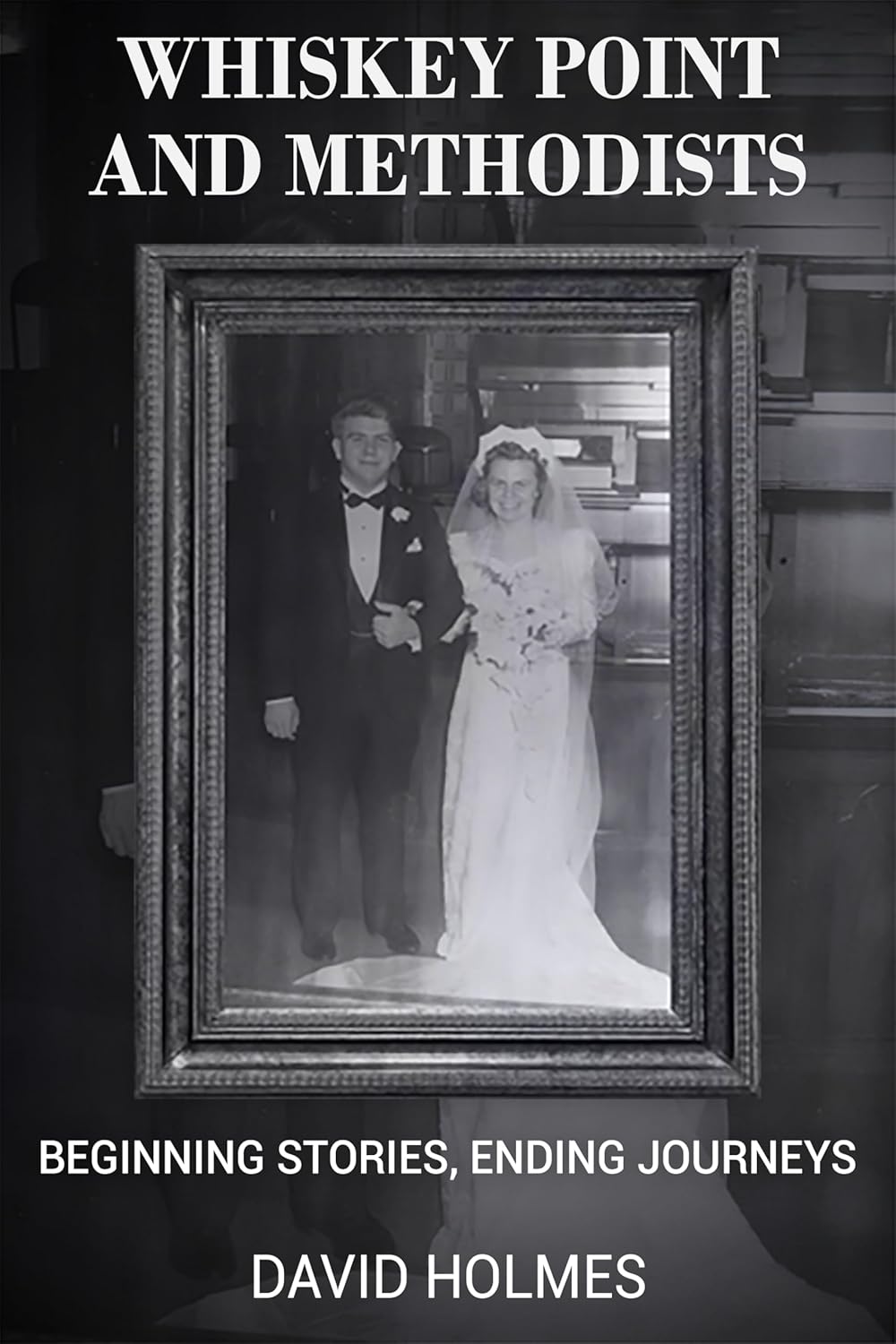
These themes are thoughtfully explored in Whiskey Point and Methodists by David Holmes. Through reflective storytelling Holmes draws attention to the understated moments that shaped family life across generations. His writing does not chase spectacle. Instead it lingers where meaning often hides in shared routines inherited habits and everyday encounters that seemed unremarkable at the time.
Holmes shows how memory deepens when we allow ourselves to revisit the past without urgency. He illustrates how ordinary moments carry emotional truth precisely because they were lived without performance. The book invites readers to sit with memory rather than rush through it and to recognize that identity is often formed through repetition rather than exception.
What makes this approach resonate is its familiarity. Many readers will recognize their own lives in these quiet scenes. The same chair always used by the same person. The same walk taken year after year. The same phrases spoken without thought. These details become emotional landmarks grounding us even when we did not realize we were being shaped by them.
In a culture that often celebrates reinvention and forward motion there is value in pausing to honor what has already passed. Not to dwell in nostalgia but to understand the foundations beneath us. The ordinary moments of the past remind us that life does not need to be extraordinary to be meaningful. It needs only to be lived fully even when no one is watching.
Revisiting these moments can also deepen compassion. When we see our parents grandparents or younger selves within the context of their daily realities understanding replaces assumption. We begin to see effort where we once saw absence and care where we once felt limitation. Meaning emerges not through perfection but through persistence.
Whiskey Point and Methodists offers readers a gentle invitation to look again at what they may have overlooked. It suggests that the past still has something to offer if we are willing to listen closely. In finding meaning in ordinary moments we do not just remember where we came from. We gain insight into who we are and how quietly we were shaped along the way.