
Some of the most formative lessons in life are learned quietly at home long before we have the language to describe them. Values are absorbed through routine tone and observation rather than instruction. When those values come from more than one belief system the experience can be both enriching and confusing shaping how a person understands belonging loyalty and selfhood.
In households where traditions differ daily life often becomes an exercise in balance. One set of beliefs may guide worship rituals and moral structure while another influences social behavior expectations and identity. Children learn early which conversations are welcome and which are better left untouched. They become skilled observers sensing shifts in tone and knowing when to adapt their language or behavior depending on the setting.
This kind of upbringing often fosters awareness. Living between belief systems encourages curiosity and empathy. It teaches that truth can be experienced in more than one way and that meaning is not always singular. At the same time it can create tension. Conflicting expectations may pull a person in different directions leaving them unsure where they fully belong. Loyalty becomes complex when honoring one tradition feels like betraying another.
Many people who grow up in these environments learn to translate rather than choose. They become bridges within families and communities helping others understand perspectives that may otherwise clash. This role can be empowering but it can also be tiring. Carrying multiple belief systems often means carrying unspoken responsibility for harmony even when inner questions remain unresolved.
Over time these experiences shape adulthood in subtle ways. Decision making becomes layered. Relationships are approached with caution and care. There is often a deep respect for tradition paired with a desire to define personal meaning. People raised in this space may find themselves reflecting often on where their values originated and which ones feel most authentic to who they have become.
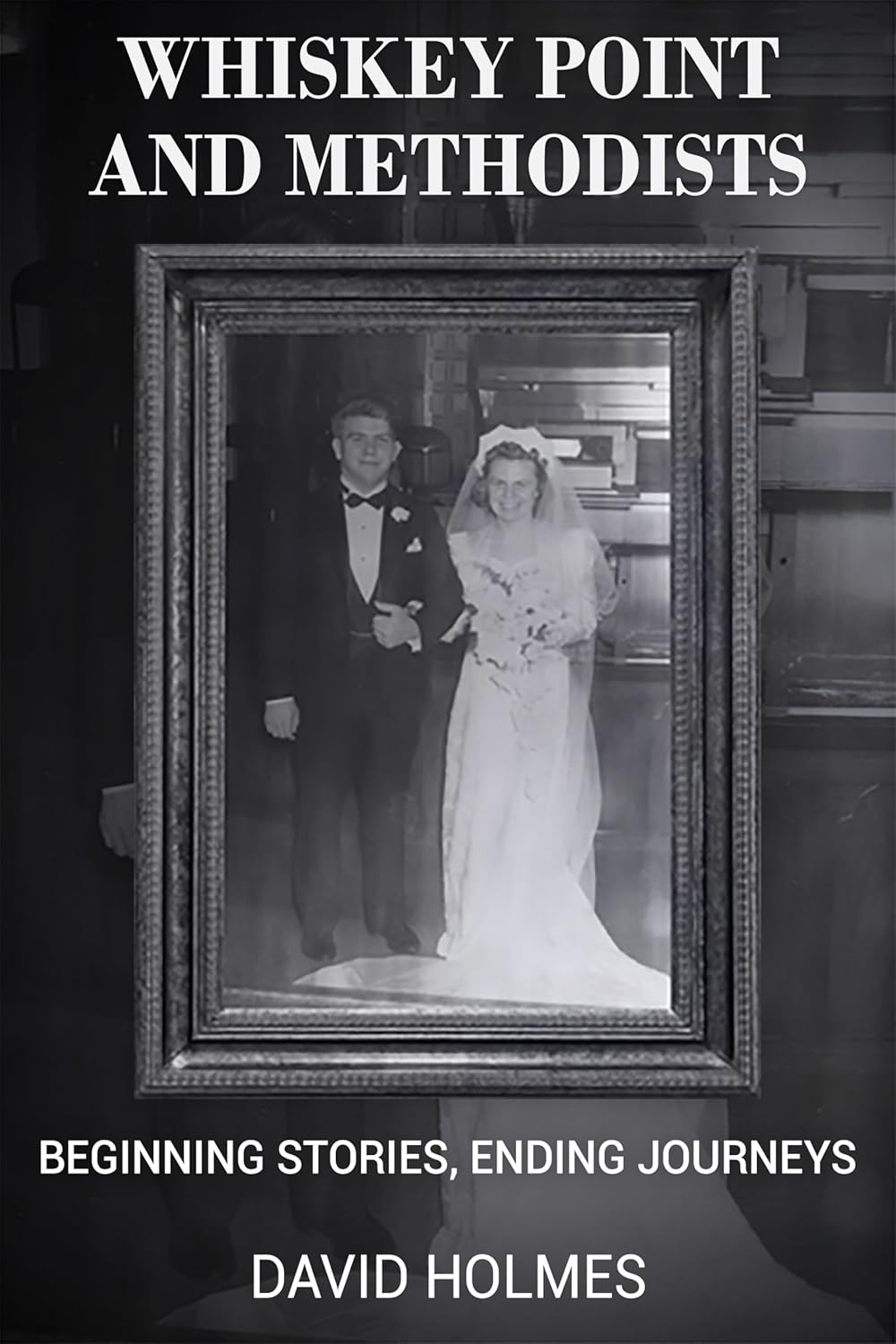
These themes are thoughtfully explored in Whiskey Point and Methodists by David Holmes. Through reflective storytelling Holmes captures what it means to grow within overlapping worlds shaped by different traditions histories and expectations. His narrative does not frame belief systems as opposing forces but as influences that coexist sometimes uneasily within the same family. The book illustrates how identity is formed not through resolution alone but through lived experience.
Holmes brings attention to the quiet moments where belief systems intersect around dinner tables family gatherings and life milestones. These are the spaces where differences are felt most acutely and where adaptation becomes a daily practice. The book offers readers an honest look at how people navigate these intersections with grace confusion resilience and patience.
What makes this exploration especially resonant is its familiarity. Many readers will recognize elements of their own upbringing in these stories even if the specifics differ. The feeling of standing between worlds of learning to listen before speaking and of carrying inherited values while seeking personal clarity is widely shared across cultures and generations.
In a time when belief systems are often discussed in terms of division stories like these remind us of the human experience beneath those labels. They show how individuals find ways to live thoughtfully within complexity rather than avoiding it. Growing up surrounded by differing traditions can cultivate flexibility depth and compassion qualities that remain valuable throughout life.
By reflecting on memory family and identity Whiskey Point and Methodists offers a gentle invitation to consider how belief systems shape us long after childhood. It suggests that understanding where we come from does not require choosing sides but rather acknowledging the many threads that weave together to form who we are.